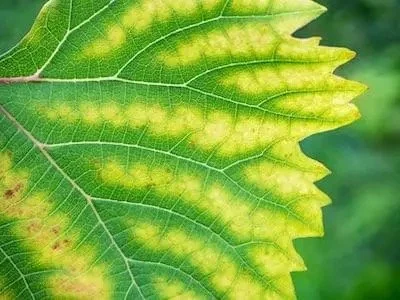
In our Utah plant life, excess salinity creates a "physiological drought" Even when soil moisture is present, high salt levels increase the osmotic pressure in the soil solution, making it harder for plant roots to pull water in. Plants essentially struggle to hydrate, leading to stress symptoms that mimic underwatering.
THE FIX
If you have clay based soils you need to consider these. If it is sandy based you are likely not to alkaline but Test your soil — Get a professional soil test that includes EC (salinity), sodium adsorption ratio (SAR) or exchangeable sodium percentage (ESP), pH, and nutrients.
Leaching — The primary fix for saline soils: Apply extra water to flush salts below the root zone. But this requires good drainage. Core aeration is key to improve oxygen, nutruient and water movement. Over-leaching in sodic soils without amendments, as it can worsen dispersion.
Gypsum (calcium sulfate) for sodic or saline-sodic soils — This directly connects to your previous questions. Gypsum supplies calcium that displaces sodium on clay particles, promoting flocculation (clumping) for better structure, drainage, and aeration—much like it helps break up clay. It has minimal effect on pH (neutral) but improves permeability so leaching works better. Short-term, it may slightly raise salinity as it dissolves, but long-term it helps remove problem sodium when followed by leaching. It's especially useful in clay-based soils common in many areas. Rates depend on soil test results.
Improve drainage and structure — Core aeration + organic matter (pH neutral compost or even acidic peat moss) helps in clay soils. Avoid compaction.
Plant selection — Choose salt-tolerant turfgrasses (e.g., certain Bermuda, tall fescue varieties) or landscape plants. Avoid sensitive species in problem areas.
Irrigation management — Use efficient methods (drip where possible), leach periodically with good-quality water if available, and monitor water quality. In Utah, water conservation programs often address related issues.
pH interaction — If salinity is paired with high pH (common), address both. Add Elemental Sulfur or acidifying amendments can help lower pH gradually, but focus on salinity first if EC is the main issue.
Always base amendments on a soil test—guessing can make problems worse (e.g., adding gypsum unnecessarily or leaching without addressing sodium).
Contact BYU or USU extension services for soil testing. It is easy to send them two cups of soil and in weeks you will have your results.
These issues are especially relevant in arid/semi-arid regions like the Utah basins and valleys where low rainfall, high evaporation, and irrigation with potentially salty water (or proximity to the Great Salt Lake basin influences) can concentrate salts over time.
EFFECTS ON GARDENS, TURF, AND YARD PLANTS
Water uptake problems: Roots can't absorb water efficiently → wilting, stunted growth, reduced vigor, even with adequate irrigation.
Ion toxicity and imbalances: Specific ions (e.g., sodium, chloride) can burn leaf margins/ tips (necrosis), cause yellowing, or interfere with uptake of essential nutrients like calcium, potassium, or magnesium.
Soil structure damage (especially sodic): Poor aeration and drainage → root suffocation, increased disease risk, patchy turf, bare spots, and difficulty with seedling establishment.
Overall plant performance: Lower yields in gardens, thin/spotted lawns, poor recovery from stress (traffic, drought, aeration), and increased weed invasion. Seedlings and young plants are often most sensitive.
Interaction with pH: Saline/sodic soils are frequently alkaline (high pH), which compounds nutrient lock-up (e.g., iron deficiency causing chlorosis). High sodium can further raise pH.
Common visible signs in turf/lawns: white crusts, leaf burn, thinning, poor color, and slow recovery after core aeration.