
In Utah, organic wood fiber, leaves and grass compost is watered, turned, aerated then ground to a fine mulch after months of decomposition. But common use of irrigation water with high saline and pH during the decomposition/aeration process often produces:
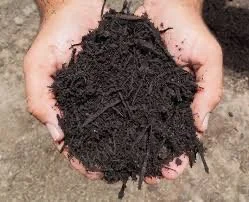
Salt accumulation in the finished compost, which draws moisture away from plant roots (osmotic stress)
Elevated pH in the final product, which locks out micronutrients — particularly iron, manganese, and zinc — causing deficiencies even when those nutrients are present in the soil.
Reduced beneficial microbial activity, as many beneficial bacteria and fungi prefer a more neutral pH environment.
Sodium toxicity in sensitive plants, damaging cell membranes and inhibiting growth
Poor soil structure over time, as excess sodium causes clay particles to disperse and compact.
This a a perfect recipe for areas where you want to keep weeds down in a landscape or yard area. Although not generally a proper amendment for you existing soil.